Top 15 Metaverse Games in 2026
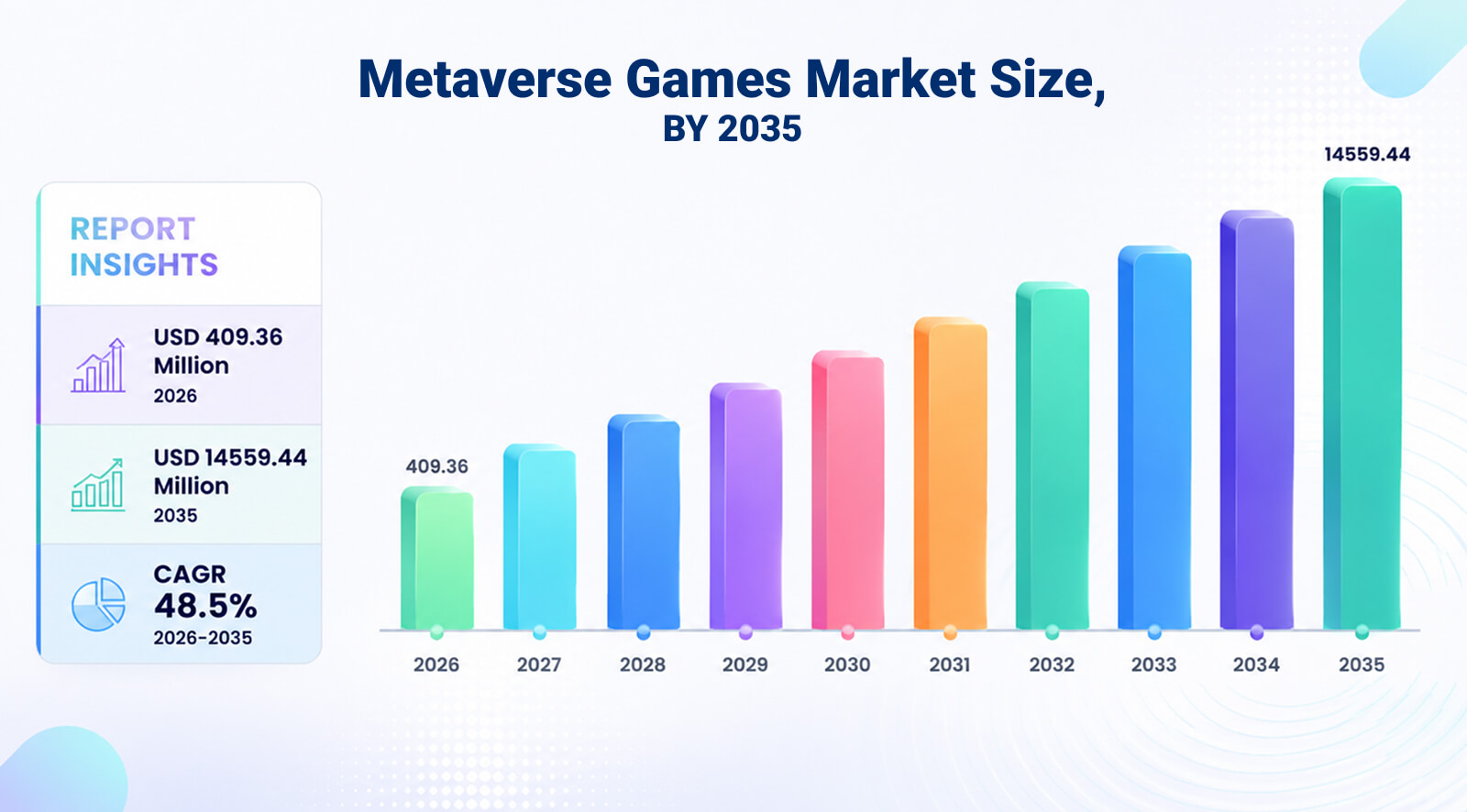
Metaverse games have grown into a $35 billion market with more than 400 million monthly active users playing across the globe. The sector is expanding at roughly 38% a year, pushed forward by lighter VR headsets, 5G connectivity, AI-generated environments and a maturing blockchain layer that finally lets the real and the digital economy meet.
Key takeaways
- The best metaverse games blend three modes of engagement — playing, creating and trading — with genuine ownership of in-game assets.
- Over 400 million people play monthly, and mobile already accounts for more than half of that activity.
- Fortnite and Minecraft outgrew their original genres to become full metaverse platforms.
- A new wave of titles is stretching the metaverse into fantasy sports, cosy builders and decentralised mining.
What are Metaverse Games?
Metaverse games run inside persistent, continuous digital universes that blend virtual reality, augmented reality and blockchain. Unlike a traditional title that resets between sessions, every next session is a direct continuation of the last: player actions have lasting consequences, and ownership of items, land and currency is recorded on-chain.
The result is a world that keeps evolving whether you are logged in or not — economies that trade around the clock, events that happen on a shared calendar, and creations that persist for years.
Elements of Metaverse Gaming
Five characteristics separate a true metaverse game from an ordinary online one:
- Interoperability — assets and identity can move across platforms rather than being locked to one title.
- Persistent worlds — the environment keeps changing and growing even when a given player is away.
- User-generated content — players build, script and publish their own experiences.
- Social interaction — voice and text chat, live events and shared spaces are core, not bolted on.
- Virtual economies — blockchain-backed trading gives in-game value a real-world footing.
Top Metaverse Games
The fifteen titles below represent the cutting edge of the field — from fully decentralised worlds to mainstream platforms that quietly became metaverses. Here are a few of them at a glance:
| Game | Blockchain | Best known for |
|---|---|---|
| Decentraland | Ethereum | Virtual real estate & live events |
| The Sandbox | Ethereum / Polygon | User-generated worlds & brand spaces |
| Axie Infinity | Ronin | Play-to-earn creature battles |
| Fortnite | — | Social events & UGC at massive scale |
1. Decentraland
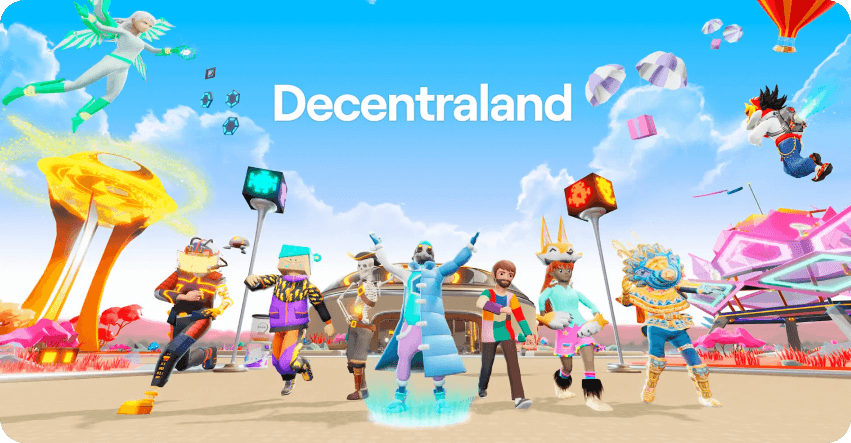
A fully decentralised virtual world on Ethereum where players buy and sell land as NFTs. Its DAO governance model hands real decision-making power to token holders — no single entity can unilaterally change the rules or switch it off.
2. The Sandbox
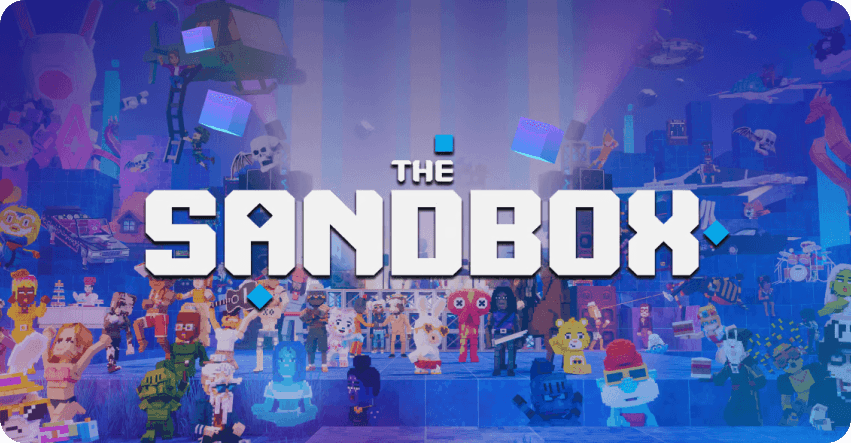
A user-driven creation platform whose VoxEdit tool put genuine asset-making in reach of non-developers. A steady stream of high-profile brand collaborations keeps pulling new players in.
3. Fortnite
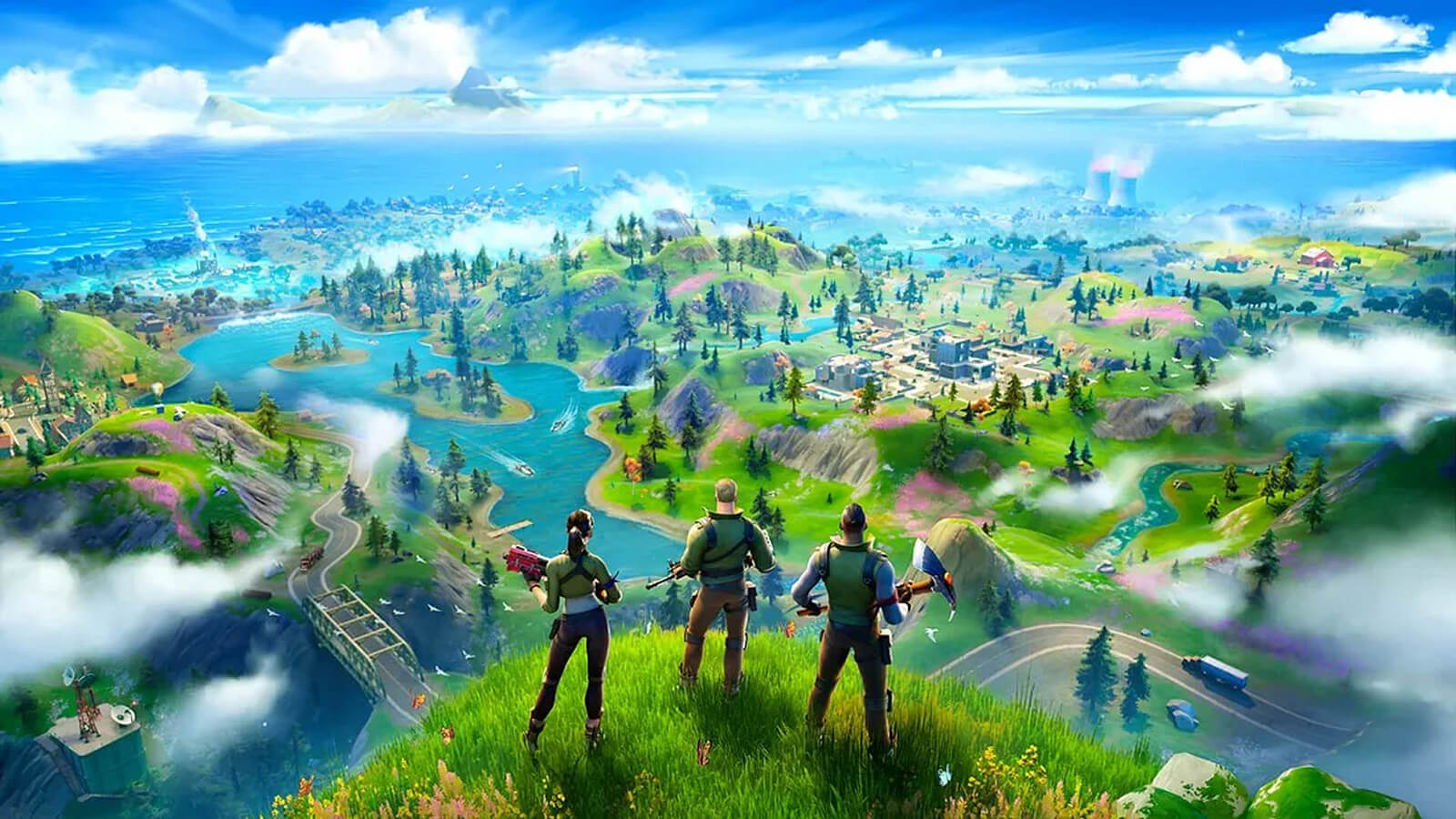
What began as a battle royale evolved into a platform with over 100 million active players. Through UEFN, creators have published 80,000+ islands and earned in the region of $320 million in a single year.
4. Axie Infinity
The play-to-earn creature-battler that proved blockchain gaming could reach mainstream scale, inspiring an entire ecosystem of imitators.
5. Roblox
A creation platform that matured into a metaverse with around 70 million daily active users and a developer economy that pays creators millions every year.
6. Illuvium
An open-world RPG with NFT creatures, spread across a multi-game ecosystem — Overworld, Arena and Beyond — connected by a shared asset economy.
7. Minecraft
Fifteen-plus years of continuous, community-driven world-building, with a functioning Marketplace creator economy layered on top.
8. Second Life
The original persistent virtual world. Billions of Linden Dollars change hands annually across real estate, fashion and services in its player-run economy.
9. Star Atlas
A space-themed RPG on Solana whose asset production quality sits far closer to AAA games than to typical blockchain titles.
10. Sorare
Fantasy sports built on NFT player cards, with 215+ officially licensed clubs across football, basketball and baseball on a multichain backbone.
11. Voxels
An art-focused, browser-based metaverse whose voxel aesthetic ages well and keeps drawing creative communities.
12. My Neighbour Alice
A cosy builder on the Chromia blockchain — fully on-chain, but playable without any crypto knowledge — governed by a Community Council DAO.
13. Alien Worlds
A decentralised mining platform with a multi-game structure, where Galactic Hubs grants fund third-party developers building on top.
14. WorldWide Webb
A pixel-styled metaverse with a distinctive look and an NFT avatar system that lets players import existing NFTs as playable characters.
15. Upland
Virtual property trading mapped to real-world geography, so ownership is anchored to places people already feel something about.
Types of Metaverse Games
The field breaks down into a handful of recurring formats, each with its own design priorities.
Open-World Sandbox Games
A free environment where players create something new with minimal restrictions — Decentraland, The Sandbox and Minecraft are the archetypes.
MMORPGs in the Metaverse
Large-scale worlds built around exploration, quests and social play, enhanced by on-chain ownership — see Illuvium and Star Atlas.
Play-to-Earn (P2E) Games
Games where in-game assets carry real-world value and ownership, tradable on a blockchain.
How players earn
Rewards come from competitive play, breeding or crafting tradable assets, and renting items to other players.
Risks to weigh
Token economies can be volatile, and a model that leans too hard on speculation rather than fun rarely lasts.
Social & Casual Metaverse Games
Worlds that prize communication and hanging out over competition — Fortnite's concerts and Roblox's user-generated experiences are prime examples.
Competitive Battle Royale & eSports
Team-based or free-for-all competition, increasingly blended with blockchain rewards and spectator features.
Virtual Reality (VR) Metaverse Games
Titles that push immersion with full 3D space and haptic feedback, pointing toward where the medium is heading.
Community and Social Interaction in Metaverse Games
In these worlds social interaction is not an add-on but a central component. Players collaborate toward shared goals, form lasting communities, attend live events and build social links that extend well beyond the game — mirroring real-life connection.
Future of Metaverse Games 2026 and Beyond
Four technologies are converging to drive the next phase:
- AI — responsive NPCs and procedurally generated environments that adapt to the player.
- 5G networking — lower latency that makes large shared spaces feel instant.
- Advanced VR/AR hardware — lighter headsets and richer haptics.
- Blockchain — true ownership and decentralised, player-run economies.
Together they push metaverse gaming toward something woven into how we communicate, work and play.
Conclusion
Metaverse games are not just a trend — they are a glimpse into the future of gaming. The fifteen titles above represent the cutting edge of an evolving industry, opening new ways to play, create and earn as the underlying technology matures.
Fgfactory Expertise
We have shipped immersive, multiplayer and blockchain-enabled games across mobile, web and desktop — covering art, engineering, LiveOps and on-chain economies under one roof. If you are planning a metaverse title, we can take it from prototype to live service.